Scan to contact us

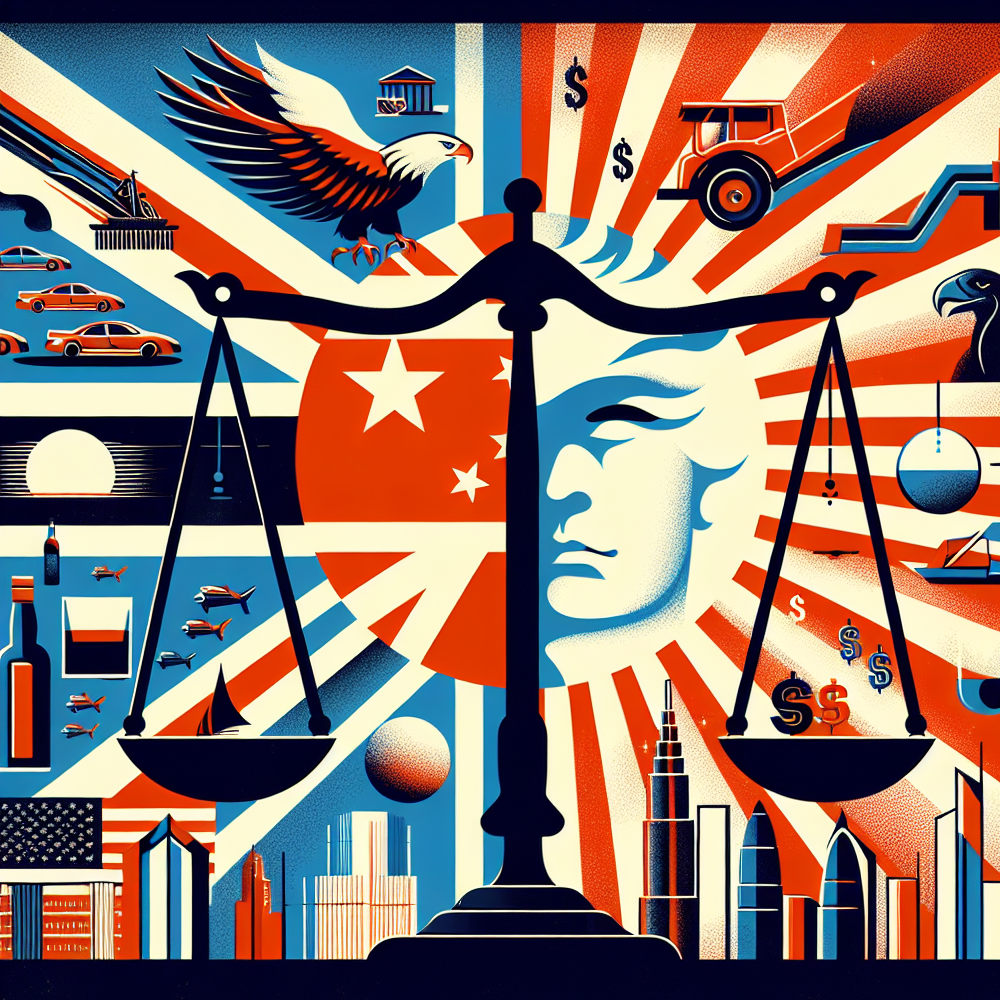
Prime Minister Keir Starmer's impending visit to China marks the first by a UK leader since 2018 and underscores a pragmatic push to revitalise bilateral ties amid economic pressures at home.
Seeking Economic Lifeline
Starmer will meet Chinese President Xi Jinping, joined by Business Secretary Peter Kyle and dozens of corporate executives. The delegation aims to attract Chinese technology and investment while expanding access for UK financial services, cars, and Scotch whisky to China's vast market.
"China is no longer just the worlds factory; it is also becoming a global market," noted Zhao Minghao, professor at Fudan University's Institute of International Studies.
Britain's economy, the world's sixth largest, faces sluggish growth and a persistent cost-of-living crisis. Labour's government, in power for 18 months, trails hard-right Reform UK in polls, prompting internal discussions about leadership changes.
From 'Golden Era' to Geopolitical Chill
UK-China relations have fluctuated wildly. David Cameron's 'golden era' gave way to restrictions on Chinese involvement in telecoms and nuclear projects under subsequent Conservative governments.
Starmer's Labour administration conducted a review post-election, adopting a 'hard-headed pragmatism' approach: safeguarding national security from espionage risks while pursuing economic cooperation.
Navigating Trump Tensions
The trip risks alienating US President Donald Trump, with whom Starmer recently secured a trade deal easing tariffs on UK autos and aerospace. Trump has criticised British policies and threatened 100% tariffs on Canada after its China trade pact.
Growing unease among US allies over Washington's stances on tariffs, Greenland, and Ukraine has prompted a 'de-risking' recalibration, according to experts.
Domestic and Security Backlash
Critics at home decry the visit as naive, citing recent approvals for a massive Chinese embassy near the Tower of Londonopposed for espionage fearsand the Chagos Islands handover to Mauritius, which Trump now opposes.
Former Conservative leader Chris Patten urged frank dialogue, emphasising the need for a reasonable relationship given global uncertainties.
Kings College London's Kerry Brown views success as securing investments without political missteps, committing to 'consistency and predictability'.
A FORWARD-THINKING AGENCY WITH A WORLD OF IDEAS *
A FORWARD-THINKING AGENCY WITH A WORLD OF IDEAS *