Scan to contact us

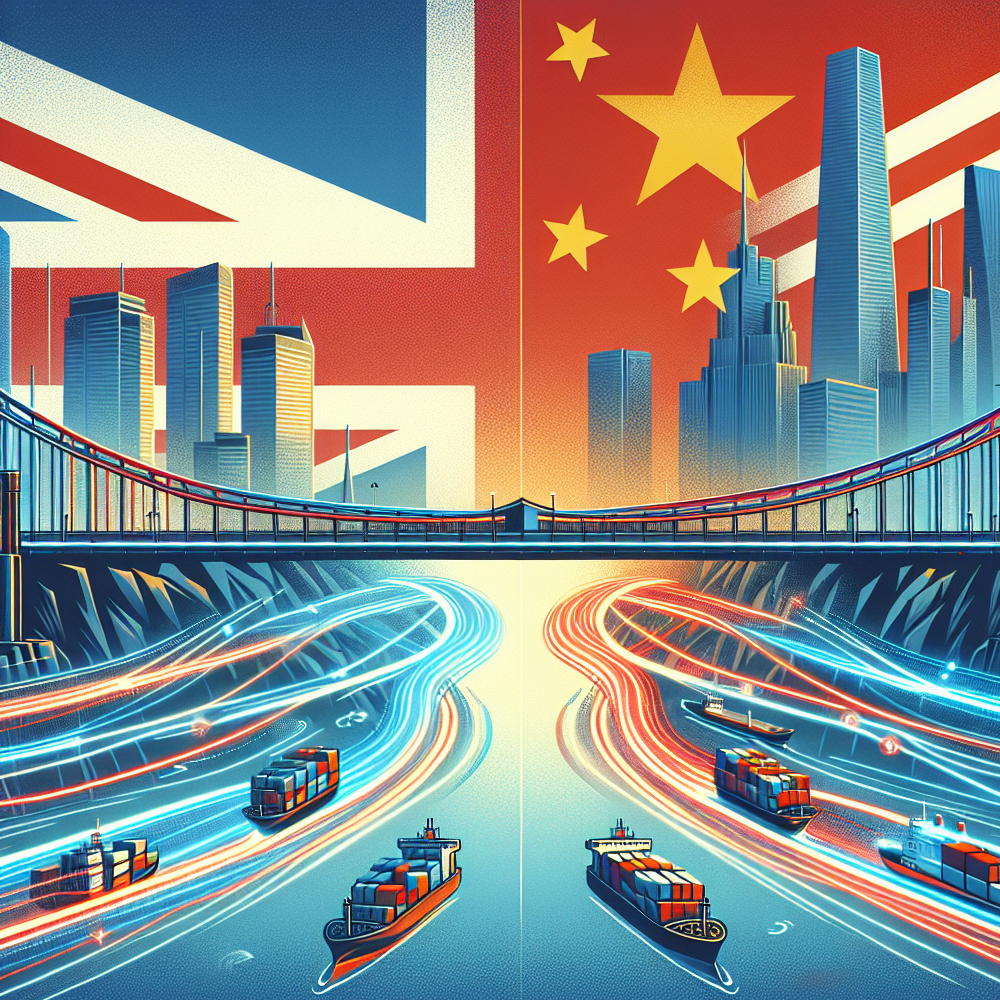
British Prime Minister Keir Starmer's visit to China marks a pivotal moment in UK-China relations, with today's meeting in Beijing with Premier Li Qiang yielding commitments to enhance business opportunities for British firms.
Key Agreements on Services and Trade
The leaders recognised significant progress in bilateral ties, including the resumption of the Economic and Financial Dialogue after over five years and the Joint Economic and Trade Commission. Starmer welcomed plans to simplify operations for UK businesses in China, particularly via a new services partnership targeting the UK's world-leading services sector.
Accompanied by more than 50 business leaders, Starmer's tripthe first by a British PM in eight yearsaims to expand export markets amid economic pressures from US tariffs. The delegation's presence highlights the commercial focus, with pledges for pragmatic cooperation on growth, stability, and global issues like climate change.
Geopolitical Tensions and US Reaction
Starmer affirmed the UK's commitment to national security while agreeing on the need for dialogue on differing perspectives. The visit drew immediate scrutiny from Washington, where President Donald Trump warned of dangers in deepening UK-China ties, stating, Its very dangerous for them to do that, and extending criticism to Canada's similar overtures.
Trump's comments reflect broader US concerns over trade deals with Beijing, as nations like the UK seek alternatives to offset tariff impacts. Starmer's engagements, including prior meetings with President Xi Jinping, signal a thaw after years of friction, positioning the UK for a 'long-term and stable strategic partnership'.
Implications for UK Economy
This diplomatic push aligns with domestic business sentiment, where firms express confidence in their trading prospects despite softer economic optimism, per Lloyds Banking Group's latest Barometer. Over half anticipate headcount growth, potentially amplified by new Chinese market access.
Services, a cornerstone of the UK economy, stand to gain most from eased barriers in China. Regional confidence leaders like London (69%) and the West Midlands (65%) could see accelerated opportunities, supporting broader hiring and investment plans.
While risks persist amid geopolitical flux, the Beijing outcomes position UK businesses to capture growth in Asia's powerhouse, balancing security with economic ambition.
A FORWARD-THINKING AGENCY WITH A WORLD OF IDEAS *
A FORWARD-THINKING AGENCY WITH A WORLD OF IDEAS *