Scan to contact us

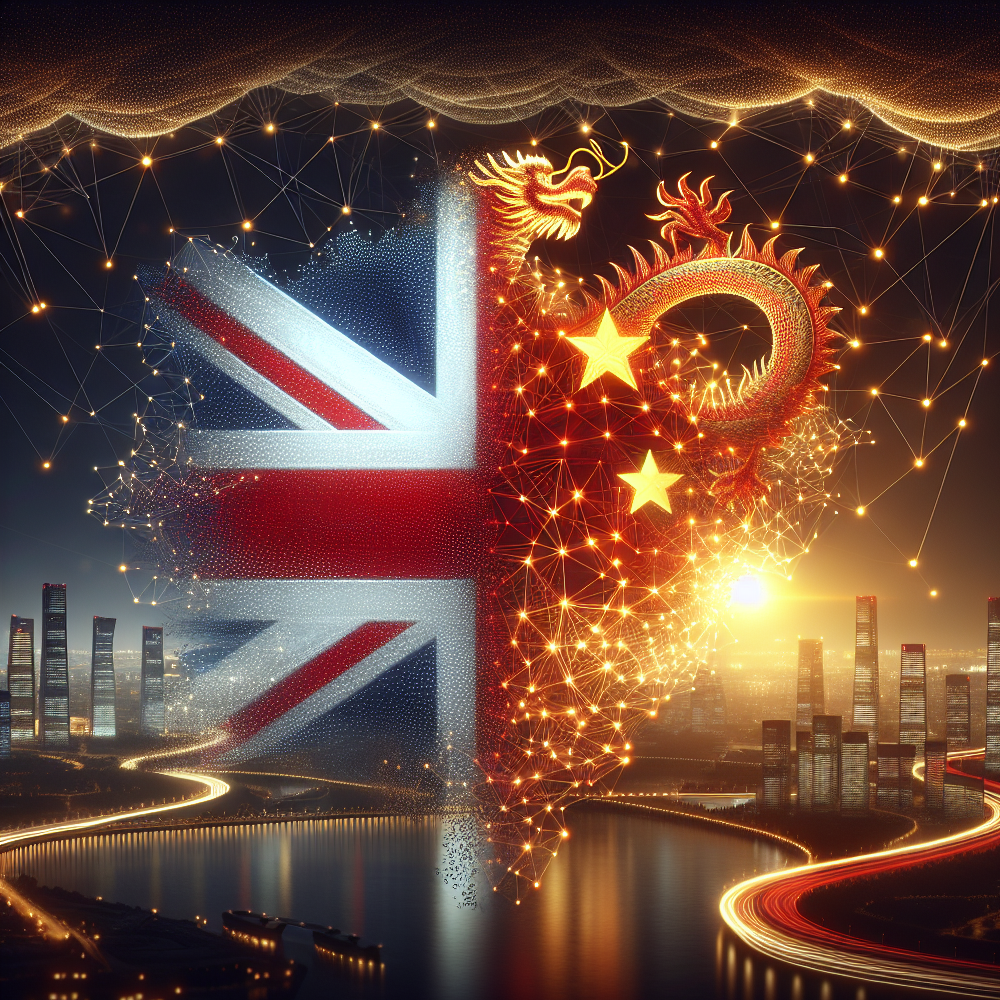
Prime Minister Keir Starmer's arrival in Beijing marks a pivotal moment in UK-China relations, with discussions set to focus on trade, investment, and geopolitical challenges. The trip, confirmed on January 28, 2026, comes as the UK seeks to navigate post-Brexit economic recovery and supply chain dependencies on China.
Background to the Visit
UK-China relations have fluctuated in recent years, marked by tensions over human rights, Hong Kong, and technology security. Despite these issues, economic interdependence remains strong, with China as a key market for British exports including luxury goods, pharmaceuticals, and financial services. Starmer's government has prioritised pragmatic diplomacy to unlock opportunities in green technology and infrastructure.
Key Agenda Items
- Trade Agreements: Negotiations to reduce tariffs on UK exports and expand market access for services.
- Investment Flows: Attracting Chinese capital into UK renewable energy projects and critical minerals supply chains.
- Security Concerns: Balancing economic gains with safeguards on technology transfers and national security.
Analysts view the visit as a strategic pivot, reflecting the UK's need to diversify trade partners while maintaining access to China's vast market. The Prime Minister is expected to meet senior Chinese officials, including Premier Li Qiang, to outline a 'stable and predictable' partnership framework.
Economic Implications for the UK
With UK GDP growth lagging peers and inflation persistent, closer ties with China could inject billions into the economy. Recent data shows bilateral trade at 70 billion annually, but potential exists for growth in electric vehicles and AI sectors. However, critics warn of risks from over-reliance on an authoritarian regime.
The outcomes of these talks could reshape Britain's post-Brexit foreign policy, signalling a thaw in relations after years of frostiness under previous administrations.
A FORWARD-THINKING AGENCY WITH A WORLD OF IDEAS *
A FORWARD-THINKING AGENCY WITH A WORLD OF IDEAS *