Scan to contact us

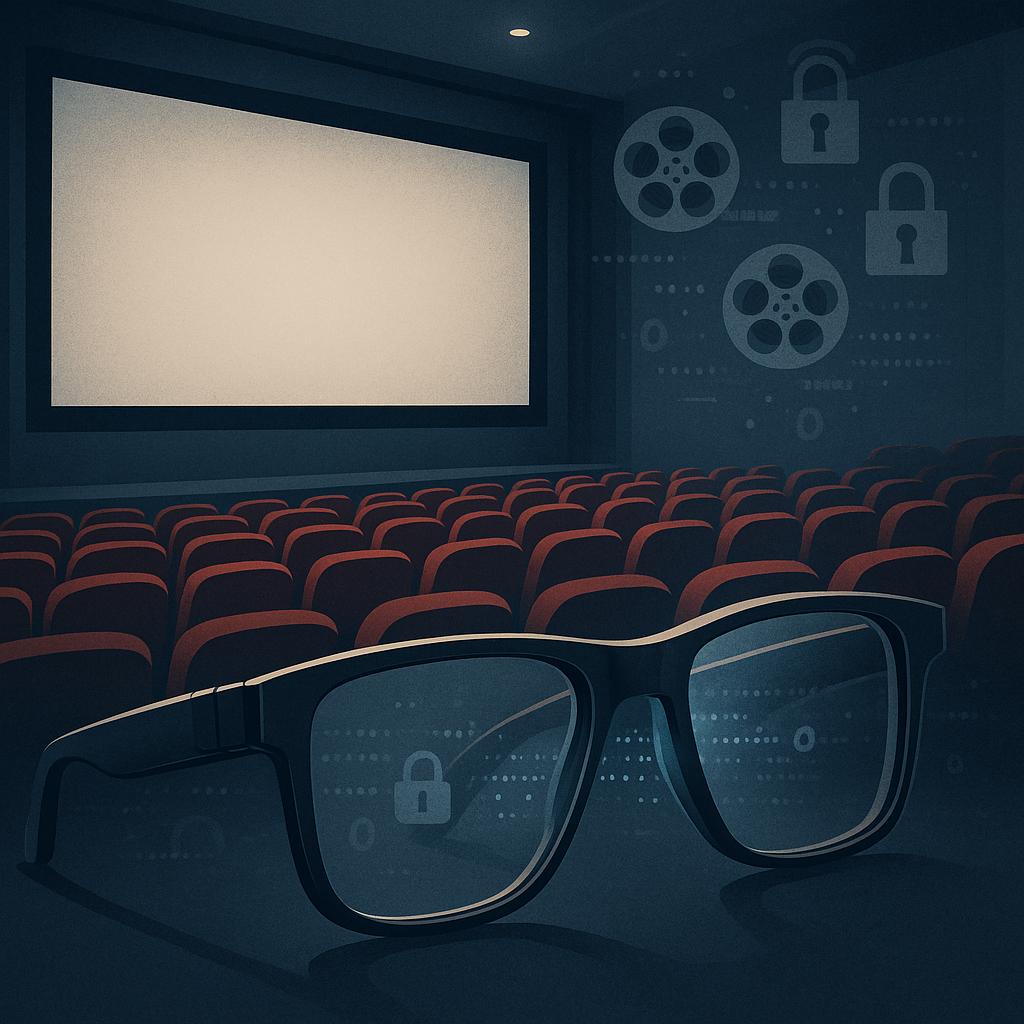
UK cinemas are weighing up a ban on Meta’s new AI-powered smart glasses amid mounting fears the wearable devices could turbocharge film piracy and undermine the industry’s fragile post-pandemic recovery.
The trade body representing many of the country’s biggest chains has warned that camera-enabled glasses pose a serious risk to copyright enforcement, and says operators are actively considering policies to prohibit or tightly restrict their use inside auditoriums.
Chains move to close new piracy loophole
According to industry sources cited in a British business press digest and regional business reports, UK cinema operators are increasingly concerned that Meta’s AI glasses, which combine high-resolution cameras with real-time processing and connectivity, create a discreet new way to capture and distribute movies without detection.
The trade body has signalled that “many of the UK’s chains could introduce policies to prohibit and/or restrict the wearing of camera-enabled smart glasses,” a clear reference to devices such as Meta’s latest AI-enabled eyewear. Such moves would effectively extend existing bans on conventional recording equipment – like camcorders and smartphones – to a new generation of wearable technology.
While detailed policy wording has yet to be published, cinema operators are understood to be looking at a range of approaches, from outright bans on smart glasses in auditoriums to narrower rules requiring customers to remove devices once screenings begin. Staff training and front-of-house signage are likely to follow, as chains seek to balance customer experience with enforcement.
Piracy fears in a still‑fragile box office market
The potential clampdown reflects growing anxiety that UK box office revenues, which have been gradually rebuilding since COVID-19 shutdowns, could be undermined if high-quality illicit copies of new releases circulate more quickly and widely online.
Historically, cinema piracy has relied on bulky cameras or surreptitious smartphone recording, which are easier for staff to spot and challenge. The arrival of consumer-grade smart glasses – designed to look like conventional eyewear – raises the risk that screenings could be recorded with far less chance of detection, especially in crowded multiplexes and late-night showings.
For studios and cinema chains, the concern is that AI-enhanced devices could also improve the quality of illegal recordings. On-device processing and image stabilisation can clean up footage, while integrated connectivity makes it easier to upload and share material rapidly, increasing the potential commercial damage to new releases.
Balancing innovation, accessibility and enforcement
Cinemas’ stance on Meta’s AI glasses also touches a broader debate over how venues should handle wearable technology that can serve legitimate purposes, including accessibility. Some smart glasses are used to assist visually impaired customers or to provide discreet captioning; operators will need to ensure that anti-piracy policies do not inadvertently penalise disabled cinemagoers or conflict with equality legislation.
Industry sources suggest chains are exploring ways to differentiate between assistive devices and consumer products marketed primarily for recording and content creation. That could involve case‑by‑case exemptions, clearer guidance on approved accessibility technology, and collaboration with disability advocacy groups as policies are drafted.
At the same time, cinemas are acutely aware that enforcement must remain practical. Front‑of‑house teams already police smartphone use and disruptive behaviour, and adding smart glasses to the list of restricted items will require careful operational planning to avoid confrontation with customers while still deterring would‑be pirates.
Tech platforms under fresh scrutiny
The emerging UK backlash against Meta’s AI glasses adds to the wider scrutiny facing big technology platforms over how their hardware and software impact creative industries. Film studios, broadcasters and music labels have long argued that digital innovation often arrives without sufficient safeguards for rights-holders, leaving cinemas and content owners to manage the fallout.
With AI‑powered devices now capable of capturing and transforming content at scale, the question for policymakers is whether existing intellectual property and anti‑piracy law is fit for purpose, or whether new rules are needed to govern how such products are designed, marketed and used in public venues.
The UK cinema sector has previously worked with law enforcement and anti‑piracy coalitions to curb illegal recording, and industry figures are expected to press for deeper engagement with technology firms to build rights protection into new devices from the outset.
What cinema‑goers should expect next
In the near term, customers visiting UK cinemas are likely to see clearer messaging about the status of camera‑enabled smart glasses, including Meta’s AI eyewear. Chains may introduce updated terms and conditions for ticket sales, reworked pre‑show announcements, and new signage at auditorium entrances to make it explicit that recording‑capable wearables are not permitted.
Where patrons insist on wearing smart glasses, staff will be encouraged to ask for devices to be removed before the film starts, or in some cases to decline admission if customers refuse to comply. Repeated breaches could lead to ejections, mirroring existing enforcement around illegal recording and disruptive behaviour.
For technology companies, the response from UK cinemas is an early sign that the rollout of AI‑enhanced wearables will not be frictionless. As devices move from novelty to mainstream, venues across the entertainment and leisure sectors – from theatres to sports stadiums – will face similar questions about how to embrace innovation without putting intellectual property at risk.
With the cinema industry still rebuilding its audience base and grappling with changing consumer habits, the battle over Meta’s AI glasses is likely to become a test case for how UK businesses navigate the collision between cutting‑edge consumer technology and long‑established business models built on controlling how, where and when content is consumed.
A FORWARD-THINKING AGENCY WITH A WORLD OF IDEAS *
A FORWARD-THINKING AGENCY WITH A WORLD OF IDEAS *