Scan to contact us

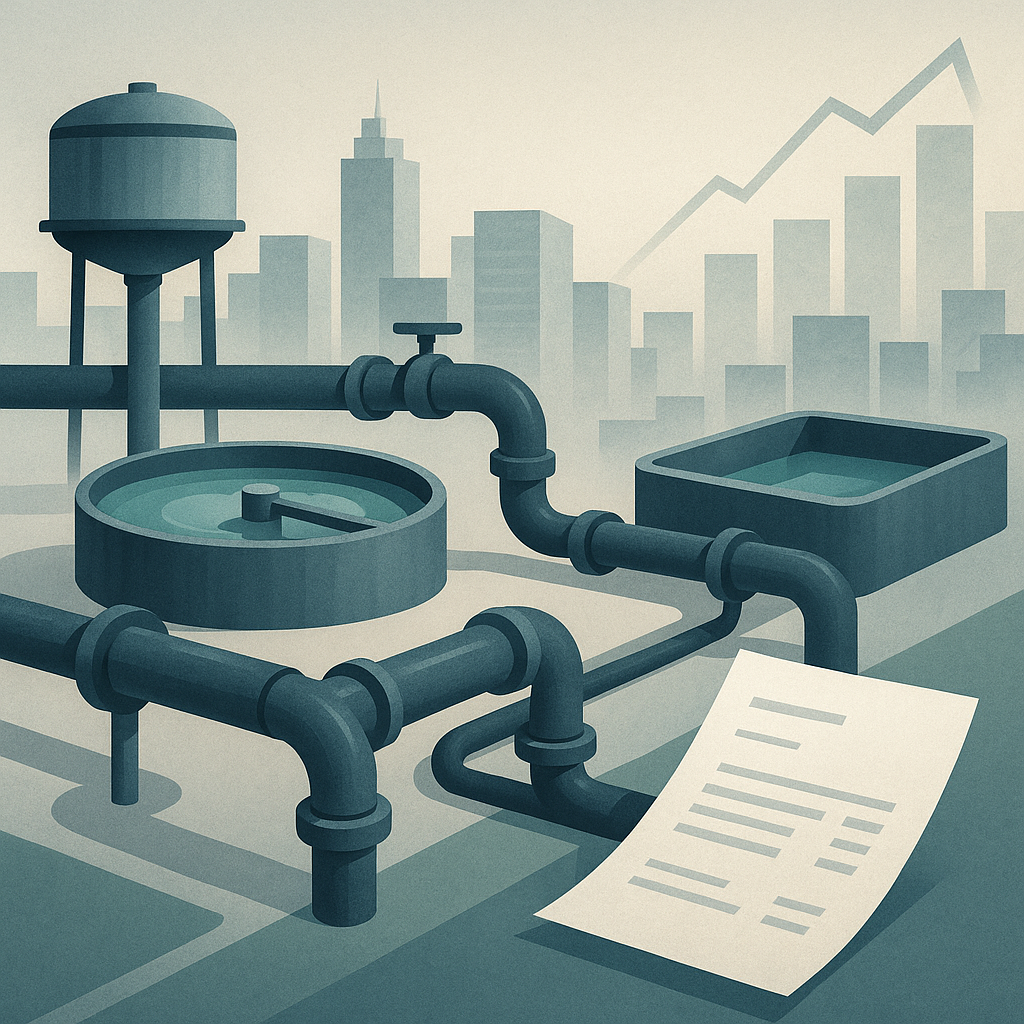
Water bills for millions of households are set to rise after the industry regulator gave provisional approval for 13 English and Welsh water companies to charge customers more to fund extra investment in infrastructure, pollution control and new connections.
Ofwat’s decision is likely to become one of the most politically sensitive business stories of the day, coming amid persistent public anger over leaking pipes, sewage spills and the performance of water firms. Reuters reported that the move would allow additional spending of about $4.6bn, while the Guardian said five companies alone had been cleared for an extra £3.4bn of investment.
Regulator backs extra spending
The provisional approval means customers of a number of suppliers will see higher bills as companies seek to recover the cost of upgrades to networks, treatment works and resilience projects. BBC and Reuters both reported that the increase is intended to support investment in infrastructure for new housing and datacentres, as well as work to tackle harmful “forever chemicals”.
Among the companies named in reporting on Thursday were Thames Water, Wessex Water, Severn Trent and South East Water, with household bills set to rise by different amounts depending on the supplier. The decision follows a period of heavy scrutiny of the sector, which has faced pressure from ministers, campaigners and creditors over pollution, dividends and debt.
Why this matters
The ruling lands at a time when water companies are under intense pressure to prove that higher customer charges will deliver visible improvements in service and environmental performance. For households, the immediate effect is straightforward: more pressure on bills at a time when living costs remain a live concern for many families.
For the wider economy, the decision underlines a bigger infrastructure challenge. Britain needs new investment in water systems to support housing growth, industrial development and the expansion of data centres, all while addressing long-standing concerns about leakage and wastewater treatment.
Political and consumer backlash likely
The announcement is expected to trigger criticism from consumer groups and local politicians, particularly because many customers already feel they are paying more for services that do not always meet expectations. The industry will argue that the spending is necessary to modernise ageing assets and comply with tighter environmental standards, but the burden on households will remain the core public issue.
The scale of the bill increases will vary by company and region, reflecting the different investment plans approved by Ofwat. In practical terms, that means the impact will be felt unevenly across England and Wales, but the political argument over who pays for upgrading essential infrastructure is likely to be national.
What happens next
Because the approval is provisional, companies will still need to complete the regulatory process before the higher charges are fully locked in. But the direction of travel is already clear: bills are rising, and the water sector is being pushed to balance investment needs against public anger over affordability and trust.
- The regulator has backed extra funding for 13 water companies.
- The money is meant to support infrastructure, pollution control and new connections.
- Household bills will rise, with the size of the increase varying by supplier.
- The move is likely to intensify pressure on ministers and company executives over sector reform.
A FORWARD-THINKING AGENCY WITH A WORLD OF IDEAS *
A FORWARD-THINKING AGENCY WITH A WORLD OF IDEAS *