Scan to contact us

Here is a full article based on the biggest UK business story visible in today’s available briefing: the government’s decision to cut business rates for pubs, clubs and live music venues by 20%, a significant move for the hospitality and leisure sector.
The measure is likely to be welcomed by operators facing tight margins, weak consumer demand and higher operating costs. It also reflects the pressure on ministers to support a sector that has long argued that the business rates system is unfair and damaging to high-street vitality.
Business rates cut offers lifeline to pubs and live venues
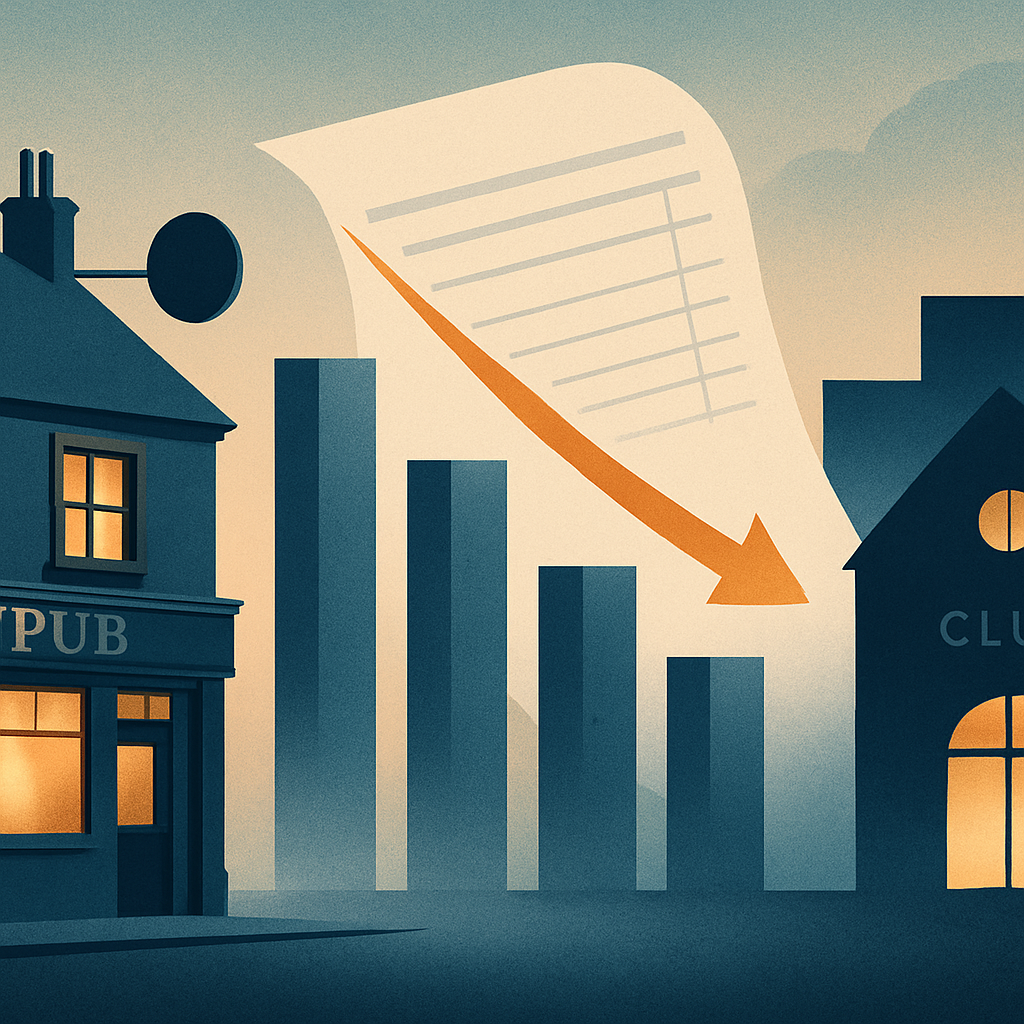
The government has announced a 20% cut in business rates for pubs, clubs and live music venues, in a move that could provide meaningful relief to some of the UK’s most financially stretched hospitality businesses. The policy comes at a time when operators are contending with subdued consumer spending, higher borrowing costs and renewed cost pressures across the economy.
For many venues, business rates remain one of the largest fixed overheads and have long been criticised by industry groups as disproportionately burdensome for physical, labour-intensive businesses. The cut is expected to ease pressure on cash flow, support staffing decisions and improve the viability of sites that have been struggling to absorb higher wages, energy bills and other operating expenses.
The announcement will be seen as especially important for pubs and live music venues, which have been among the hardest hit by changing consumer habits and rising costs since the pandemic. Sector representatives have repeatedly argued that a lighter rates burden is essential if more venues are to survive and invest in upgrades, programming and local employment.
Although the measure is likely to be popular with business owners, it also raises broader questions about how the Treasury balances support for high-street industries with the need to maintain public finances. Business groups have been pressing for wider reform to business rates, energy costs and the overall tax burden, suggesting that this announcement may be only a first step rather than a full solution.
The timing is notable. UK businesses are still operating in an environment described as one of weak growth, cautious consumer demand and elevated borrowing costs, while fresh geopolitical tensions have added to uncertainty in energy markets and inflation expectations. Against that backdrop, any policy that reduces fixed costs is likely to be welcomed by companies seeking to preserve margins and protect jobs.
For consumers, the impact may be less immediate, but the measure could help sustain local venues that play a central role in community life and the wider night-time economy. If it prevents closures and encourages investment, the cut could have benefits that extend well beyond the businesses directly affected.
What the move means for business
Lower fixed costs: The cut should reduce one of the largest recurring overheads for eligible venues.
Improved survival prospects: Pubs, clubs and live venues under pressure may be better able to stay open.
Political signal: The decision suggests ministers recognise the need to back high-street businesses more directly.
Limited but meaningful relief: Industry groups are still likely to press for broader reform of business rates and operating costs.
Even so, the cut is unlikely to erase the sector’s deeper structural problems on its own. Rising costs, squeezed household incomes and the need for a more permanent overhaul of the business rates regime remain central issues for hospitality and leisure firms across the UK.
A FORWARD-THINKING AGENCY WITH A WORLD OF IDEAS *
A FORWARD-THINKING AGENCY WITH A WORLD OF IDEAS *