Scan to contact us

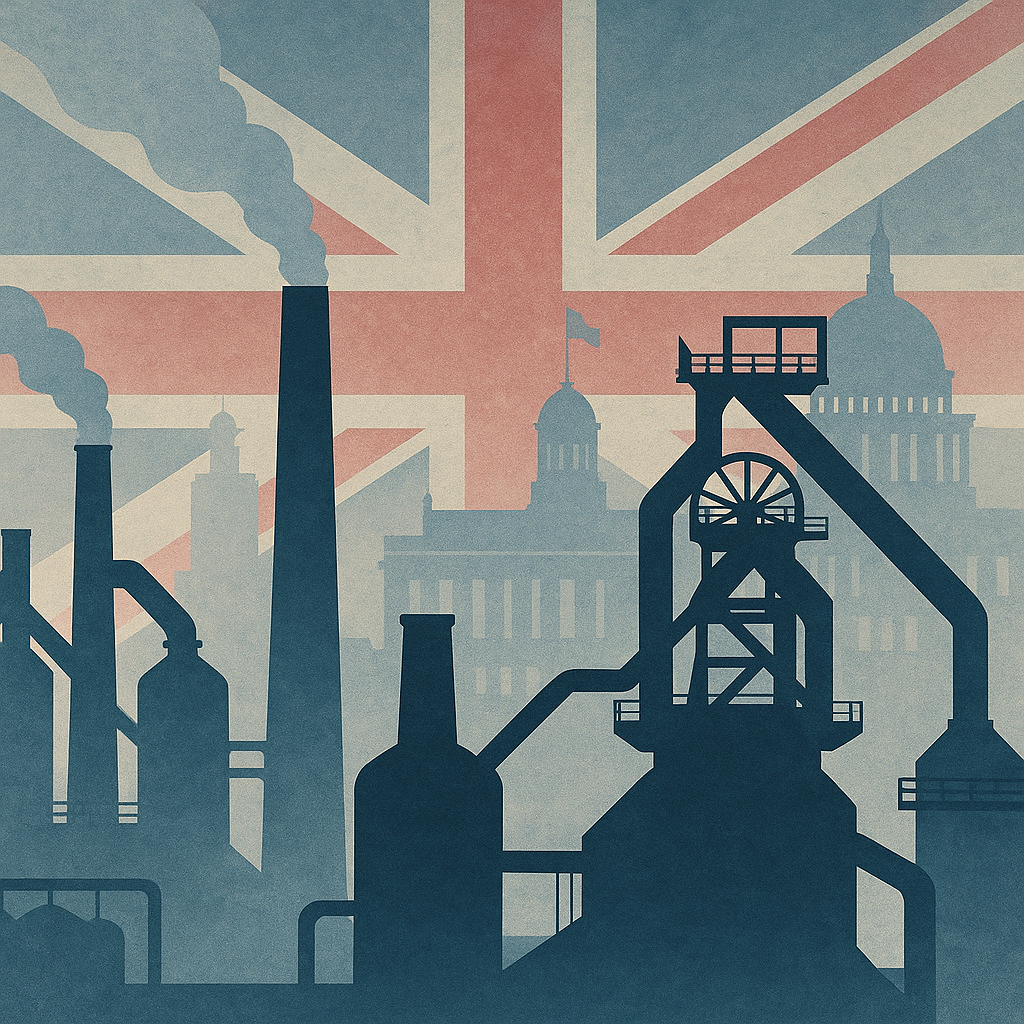
British Steel has been taken into public ownership in a dramatic intervention that underscores the UK government’s willingness to step directly into heavy industry to protect jobs and domestic production capacity.
Ministers described the move as vital to safeguarding a “national capability”, marking the most significant state takeover of a major manufacturer in more than a decade and reshaping the landscape of UK industrial policy.
Government steps in to save a strategic industry
The decision to nationalise British Steel follows mounting concerns about the future of the UK steel sector, which has been under intense pressure from weak demand, higher energy costs and global competition.
By bringing the company into public ownership, the government has effectively assumed responsibility for one of the country’s largest industrial employers, aiming to stabilise operations and prevent a disorderly collapse that could devastate local economies heavily dependent on steelmaking.
Jobs and regional economies at stake
British Steel employs thousands of workers across multiple sites, including major steelworks that anchor regional economies in traditionally industrial parts of England.
Officials framed the takeover as a jobs-first measure, intended to protect skilled employment and supply chains that support engineering, construction and manufacturing firms across the country.
Local authorities and trade unions are expected to press for guarantees on employment levels, training and investment commitments as the new ownership structure beds in.
Strategic ‘national capability’ and security of supply
The government’s description of steel as a “vital national capability” reflects growing concern about the UK’s reliance on imported critical materials and components.
Steel is fundamental to infrastructure, defence, transport and energy projects, and ministers have argued that maintaining domestic production capacity is essential for economic resilience and national security.
The move aligns with a broader shift in advanced economies towards more active industrial strategies, with governments increasingly willing to intervene to support sectors deemed strategic.
Implications for industrial policy and the state’s role
Bringing British Steel into public ownership is likely to reignite debate over the state’s role in the economy, particularly in sectors exposed to global competition and cyclical demand.
Recent years have seen limited direct ownership of major industrial firms, with policy favouring regulatory oversight and targeted support instead of full nationalisation.
This takeover signals that, in exceptional circumstances, the government is prepared to use more interventionist tools to preserve industrial capacity.
Analysts will scrutinise how the state balances commercial discipline with social and regional objectives, and whether British Steel becomes a template for future interventions in other strategically important sectors.
Financial, operational and investment challenges
Under public ownership, British Steel will face immediate pressure to demonstrate a credible path to long-term viability.
That will likely require significant investment in modernising plants, improving energy efficiency and adapting production to demand from sectors such as low-carbon infrastructure and advanced manufacturing.
Funding, governance and performance metrics will be central questions: taxpayers will want transparency on how capital is allocated, while policymakers will seek assurances that the company can compete internationally without permanent reliance on state support.
Global context: war, supply shocks and economic headwinds
The takeover comes against a backdrop of geopolitical tensions and supply chain disruptions that have affected materials markets and raised questions about industrial resilience.
According to recent economic assessments, the Iran war has already pushed more UK homeowners into higher mortgage costs than previously forecast and weighed on broader economic performance, underlining the vulnerability of the UK economy to external shocks.
In that context, securing domestic steel production is being framed by ministers as part of a wider response to global instability and the need for greater self-reliance in critical sectors.
Impact on the wider UK economy
Official data indicates that UK economic growth remains fragile, with output expanding only marginally in recent months.
Industrial production and manufacturing have struggled to regain momentum, and policymakers are looking for ways to support growth without undermining fiscal discipline.
The nationalisation of British Steel adds a new dimension to this challenge: while the move may stabilise regional economies and support employment, it also places new demands on the public balance sheet at a time of tight public finances.
Business, investor and market reaction
The government’s intervention is likely to divide business and investor opinion.
Some will welcome the protection of jobs and the recognition of steel as strategically important, particularly in communities that have experienced decades of industrial decline.
Others may question the precedent of state ownership, warning that it could raise concerns about political risk or distort competition if not managed with clear, transparent commercial objectives.
City analysts and credit rating agencies will watch closely for details on funding arrangements, restructuring plans and any timetable for returning the business to private ownership once it has been stabilised.
Next steps: governance and long-term strategy
The immediate priority for ministers and senior officials will be to establish new governance structures for British Steel, including board composition, reporting lines and performance targets.
Key decisions will include how to position the company within the government’s wider industrial and net zero strategies, and whether to pursue partnerships or joint ventures to accelerate investment in cleaner, more efficient steelmaking technologies.
Trade unions, local leaders and industry bodies are expected to push for a long-term strategy that ties British Steel’s future to national infrastructure plans, low-carbon industrial clusters and advanced manufacturing projects.
How effectively the government can balance these goals with commercial discipline will determine whether this high-profile intervention is seen as a successful defence of strategic industry or a costly experiment in state ownership.
A FORWARD-THINKING AGENCY WITH A WORLD OF IDEAS *
A FORWARD-THINKING AGENCY WITH A WORLD OF IDEAS *