Scan to contact us

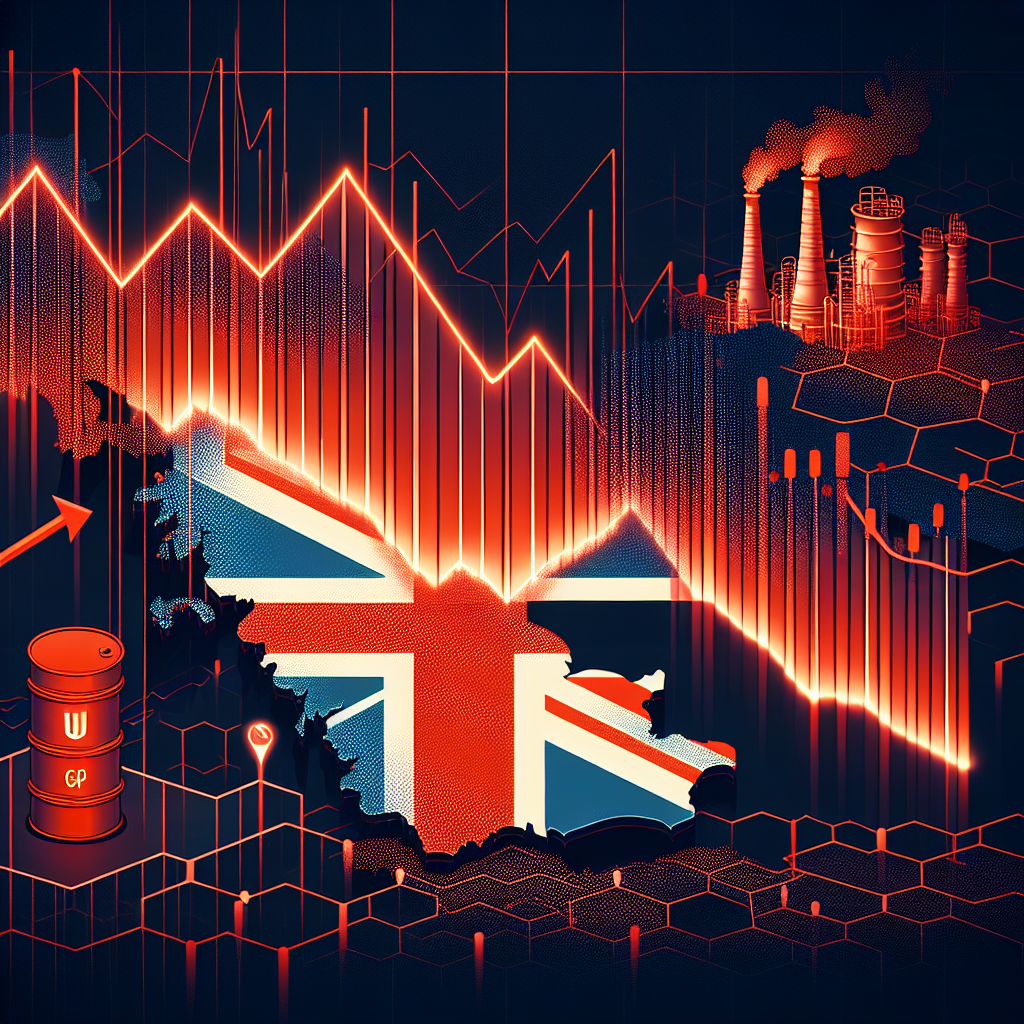
The UK government's Spring Statement, delivered today, has significantly lowered its economic growth projections for 2026, attributing the revision primarily to the escalating conflict involving Iran and its potential to disrupt global energy supplies.
Growth Forecast Downgraded Amid Geopolitical Tensions
Britain's finance ministry, led by Rachel Reeves, cut the 2026 GDP growth forecast from 1.4%—set in November's budget—to 1.1%, reflecting broader struggles to stimulate the economy. This comes as the UK economy expanded by 1.3% in 2025, yet faces headwinds from the widening Middle East conflict that erupted with US and Israeli attacks on Iran last Saturday, followed by Tehran's retaliation.
The Office for Budget Responsibility (OBR), the government's fiscal watchdog, noted that these figures were finalised just before the latest escalations, warning of 'very significant impacts' on the UK and global economies from potential oil and gas supply disruptions. Surging energy prices have already pushed European benchmarks higher this week, prompting analysts to dial back expectations for Bank of England interest rate cuts in 2026.
Inflation and Monetary Policy Pressures
The Bank of England held its benchmark rate at 3.75% last month, anticipating inflation to approach its 2% target by April, aided by easing energy bills. However, the Iran conflict risks reigniting an energy crisis, countering these disinflationary trends and complicating the Monetary Policy Committee's path to further easing.
Separate economic analysis underscores broader challenges, with UK GDP growing just 0.1% in Q4 2025, weighed down by a 2% plunge in construction output—the sector's worst in over four years—and flat services activity. Forecasters now eye a sustained CPI decline to 2% this year, driven by energy bill relief in the autumn Budget, but external shocks could derail this.
Labour Market and Fiscal Outlook
Unemployment, at a five-year high of 5.2%, is projected to peak later this year before easing toward 2030, amid Labour's post-election efforts to revive growth since July 2024. The government has raised taxes in two budgets, intensifying scrutiny on its economic strategy.
Looking ahead, OBR upgraded 2027 and 2028 growth forecasts to 1.6%, betting on modest productivity gains from investment and AI adoption, though business surveys signal caution amid trade uncertainties.
Reeves emphasised that the UK's fiscal plan gains added urgency in this volatile environment, as Prime Minister Keir Starmer's administration navigates domestic stagnation and international risks.
A FORWARD-THINKING AGENCY WITH A WORLD OF IDEAS *
A FORWARD-THINKING AGENCY WITH A WORLD OF IDEAS *